
Interventional services

Implantable Loop Recorder

Long-term subcutaneous rhythm recording for infrequent symptoms or arrhythmias.

Implantable cardiac rhythm recorder
Understanding the service

What is it and what is its purpose?

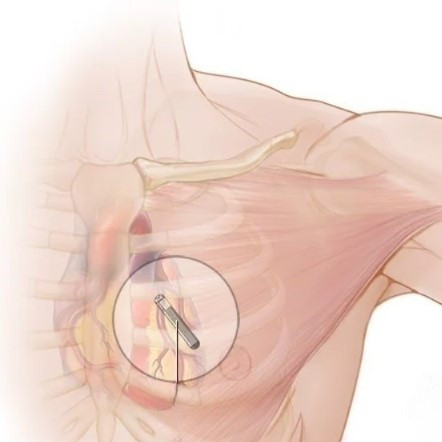
An implantable loop recorder is a very small device placed beneath the skin of the chest. It records the heart rhythm over an extended period and can automatically store important episodes.

An implantable recorder increases the chance of linking an infrequent symptom, such as fainting, dizziness or palpitations, with the actual heart rhythm at that moment. It can monitor for much longer than a conventional Holter.

How it is performed

  1. 01

    Local anaesthesia and a small incision in the front of the chest.

  2. 02

    Device insertion and immediate signal check.

  3. 03

    Activation of remote monitoring where available.

The patient experience

What to expect, step by step

Understanding the procedure helps you arrive better prepared and with greater confidence.

Implantable cardiac rhythm recorder
The small device sits beneath the skin and records continuously to capture infrequent arrhythmia episodes.
01

On the day of your investigation or treatment

Under local anaesthesia, a very small incision is made in the front of the chest and the device is placed just beneath the skin. Its signal is checked, and automatic or remote transmission is activated where used.

BEFORE

Preparation

The procedure is brief. Instructions mainly concern medication and skin care.

AFTER

The first few hours

The procedure is brief and usually followed by prompt discharge. Minor discomfort or bruising may occur. Instructions cover the dressing, showering and how to mark a symptom.

RETURN

Back to everyday life

Normal activities resume quickly, protecting the wound until healed. Afterwards, the device usually does not restrict exercise or travel. Monitoring continues until the clinical question is answered or the device reaches the end of its life.

Important

The device records rhythm but does not deliver treatment like a pacemaker or defibrillator. Your treating team's individual instructions always take priority over the general information on this page.

Frequently asked questions

Practical answers before your appointment

Will it hurt?

The puncture or incision site is numbed. You may feel a brief sting, pressure or palpitations during mapping. Sedation and pain relief are tailored to the procedure and your needs.

Should I stop my medication?

Not without specific medical instructions. Anticoagulants, antiarrhythmics, diabetes medicines and other treatments may require special management, tailored to each patient and procedure.

When will I know the result?

The main findings and immediate outcome are usually explained before discharge. Final assessment includes your recovery and scheduled follow-up.

When is urgent help needed?

Severe or worsening chest pain, severe breathlessness, fainting, bleeding that does not stop or rapidly increasing swelling at the access site need immediate assessment. Follow your discharge instructions or call 112.

Information sources

Based on reliable patient information

The content has been adapted for patients and clinical practice. It is not individual medical advice.

Individual assessment

Discuss whether this service is right for you.

Assessment by Dimitrios Gerontitis, cardiologist and arrhythmia specialist, in Chalkida or Marousi, Athens (IASO). View practice telephone numbers and addresses.

Book an appointment online