
Non-invasive services

Pacemaker & Defibrillator Checks

Programming and follow-up of pacemakers, ICDs, CRT devices and implantable loop recorders.

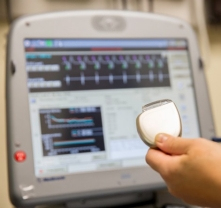
Programmer for cardiac device checks
Understanding the service

What is it and what is its purpose?

Cardiac devices are checked wirelessly with a specialised programmer. Battery status, leads, recorded arrhythmias and settings are assessed painlessly, without disrupting the device's day-to-day function.

The check confirms that the battery, leads and settings work correctly. It also identifies recorded arrhythmias and allows programming to be tailored to your needs, symptoms and activity.

How it is performed

  1. 01

    Identification of the model and retrieval of device data.

  2. 02

    Assessment of the battery, sensors, leads and stored episodes.

  3. 03

    Optimisation of settings when clinically indicated.

The patient experience

What to expect, step by step

Understanding the procedure helps you arrive better prepared and with greater confidence.

Programmer for cardiac device checks
The programmer reads the device wirelessly and displays battery status, lead information, therapies and recorded episodes.
01

On the day of your investigation or treatment

You sit or lie down while a specialised programmer communicates wirelessly with the device. Brief, painless sensing and pacing tests are performed, stored episodes retrieved and expected battery life checked.

BEFORE

Preparation

Bring your device identification card and report any new symptoms or hospital admissions.

AFTER

The first few hours

No recovery is needed. Lasting changes to settings are made only for a clinical reason and explained to you. The next check is arranged or remote monitoring activated.

RETURN

Back to everyday life

Activities resume immediately. If the check followed symptoms or a shock, temporary restrictions may be advised until assessment is complete. Keep your device card available, especially when travelling or undergoing another medical procedure.

Important

Urgent symptoms or an ICD shock should not wait until a routine appointment; follow your team's specific instructions. Your treating team's individual instructions always take priority over the general information on this page.

Frequently asked questions

Practical answers before your appointment

Will it hurt?

Most non-invasive investigations are painless. You may feel only mild pressure from the ultrasound probe, blood pressure cuff or adhesive electrodes.

Should I stop my medication?

Not without specific medical instructions. Anticoagulants, antiarrhythmics, diabetes medicines and other treatments may require special management, tailored to each patient and procedure.

When will I know the result?

Some results are available immediately, while recordings such as Holter or ambulatory blood pressure monitoring require full analysis. The results and next steps will be discussed at the agreed time.

When is urgent help needed?

New severe chest pain, severe breathlessness, fainting or persistent neurological symptoms require an immediate call to 112. Do not report these through the contact form.

Information sources

Based on reliable patient information

The content has been adapted for patients and clinical practice. It is not individual medical advice.

Individual assessment

Discuss whether this service is right for you.

Assessment by Dimitrios Gerontitis, cardiologist and arrhythmia specialist, in Chalkida or Marousi, Athens (IASO). View practice telephone numbers and addresses.

Book an appointment online