
Non-invasive services

Electrocardiogram (ECG)

A quick, painless recording of the heart's electrical activity and rhythm.

Twelve-lead electrocardiogram
Understanding the service

What is it and what is its purpose?

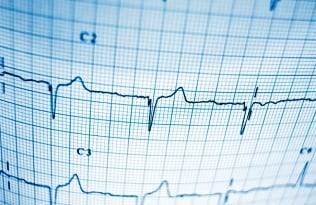
An ECG records the heart's electrical signals from the body surface. It provides information about rhythm, conduction, possible ischaemia and other changes, always interpreted in the clinical context.

An ECG gives an immediate picture of rhythm, heart rate and electrical conduction. It may identify arrhythmias, conduction disorders or clues requiring further investigation, always considered alongside symptoms and examination.

How it is performed

  1. 01

    Adhesive electrodes are placed on the chest and limbs.

  2. 02

    A brief recording at rest, without pain or electrical stimulation.

  3. 03

    Immediate medical interpretation in the context of history and symptoms.

The patient experience

What to expect, step by step

Understanding the procedure helps you arrive better prepared and with greater confidence.

Twelve-lead electrocardiogram
The electrodes record electrical activity from twelve different perspectives of the heart.
01

On the day of your investigation or treatment

You lie on your back while ten adhesive electrodes are placed on your chest and limbs. Recording takes a few seconds, is painless and sends no electrical current into the body.

BEFORE

Preparation

No fasting is needed. Avoid oily creams on the chest on the day of the test.

AFTER

The first few hours

No recovery or restrictions are needed. The electrodes are removed and the result can be interpreted immediately during the consultation.

RETURN

Back to everyday life

Daily life continues normally. A normal brief ECG does not exclude intermittent symptoms; Holter monitoring or a longer-duration recorder may be recommended.

Important

A normal ECG lasting a few seconds does not exclude an intermittent arrhythmia. Your treating team's individual instructions always take priority over the general information on this page.

Frequently asked questions

Practical answers before your appointment

Will it hurt?

Most non-invasive investigations are painless. You may feel only mild pressure from the ultrasound probe, blood pressure cuff or adhesive electrodes.

Should I stop my medication?

Not without specific medical instructions. Anticoagulants, antiarrhythmics, diabetes medicines and other treatments may require special management, tailored to each patient and procedure.

When will I know the result?

Some results are available immediately, while recordings such as Holter or ambulatory blood pressure monitoring require full analysis. The results and next steps will be discussed at the agreed time.

When is urgent help needed?

New severe chest pain, severe breathlessness, fainting or persistent neurological symptoms require an immediate call to 112. Do not report these through the contact form.

Information sources

Based on reliable patient information

The content has been adapted for patients and clinical practice. It is not individual medical advice.

Individual assessment

Discuss whether this service is right for you.

Assessment by Dimitrios Gerontitis, cardiologist and arrhythmia specialist, in Chalkida or Marousi, Athens (IASO). View practice telephone numbers and addresses.

Book an appointment online