
Interventional services

Diagnostic Coronary Angiography

Imaging of the coronary arteries when there is a clear clinical indication.

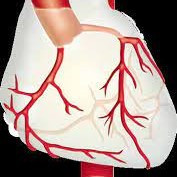
Coronary angiogram of the heart's blood vessels
Understanding the service

What is it and what is its purpose?

Coronary angiography uses a thin catheter, contrast medium and X-rays to visualise the arteries supplying the heart. It shows whether narrowing is present and how significant it is.

Coronary angiography precisely visualises the arteries supplying the heart and identifies significant narrowing or blockage. Findings guide the choice between medication, angioplasty and cardiac surgery.

How it is performed

  1. 01

    Vascular access through the wrist or groin.

  2. 02

    Injection of a small amount of contrast and acquisition of images.

  3. 03

    Prompt explanation of findings and available treatment options.

The patient experience

What to expect, step by step

Understanding the procedure helps you arrive better prepared and with greater confidence.

Coronary angiogram of the heart's blood vessels
Contrast makes the inside of the coronary arteries visible, allowing assessment of any narrowing.
01

On the day of your investigation or treatment

Under local anaesthesia, a thin catheter is usually introduced through the wrist or groin. Contrast is injected and X-ray images of the coronary arteries are taken. You are usually awake and may briefly feel warmth from the contrast.

BEFORE

Preparation

Kidney function, allergies, blood tests and anticoagulation are reviewed. Specific fasting instructions are provided.

AFTER

The first few hours

Afterwards, pressure or a haemostasis device is applied to the entry site. You are observed for bleeding, an allergic reaction or discomfort. Discharge is often the same day if recovery is uncomplicated.

RETURN

Back to everyday life

At home, rest, care for the puncture site and maintain adequate hydration if permitted. Avoid strenuous exercise and heavy lifting for a few days. Return to driving and work depends on the access route, findings and any additional intervention.

Important

Diagnostic angiography does not automatically mean angioplasty; any intervention requires a clinical indication and informed consent. Your treating team's individual instructions always take priority over the general information on this page.

Frequently asked questions

Practical answers before your appointment

Will it hurt?

The puncture or incision site is numbed. You may feel a brief sting, pressure or palpitations during mapping. Sedation and pain relief are tailored to the procedure and your needs.

Should I stop my medication?

Not without specific medical instructions. Anticoagulants, antiarrhythmics, diabetes medicines and other treatments may require special management, tailored to each patient and procedure.

When will I know the result?

The main findings and immediate outcome are usually explained before discharge. Final assessment includes your recovery and scheduled follow-up.

When is urgent help needed?

Severe or worsening chest pain, severe breathlessness, fainting, bleeding that does not stop or rapidly increasing swelling at the access site need immediate assessment. Follow your discharge instructions or call 112.

Information sources

Based on reliable patient information

The content has been adapted for patients and clinical practice. It is not individual medical advice.

Individual assessment

Discuss whether this service is right for you.

Assessment by Dimitrios Gerontitis, cardiologist and arrhythmia specialist, in Chalkida or Marousi, Athens (IASO). View practice telephone numbers and addresses.

Book an appointment online